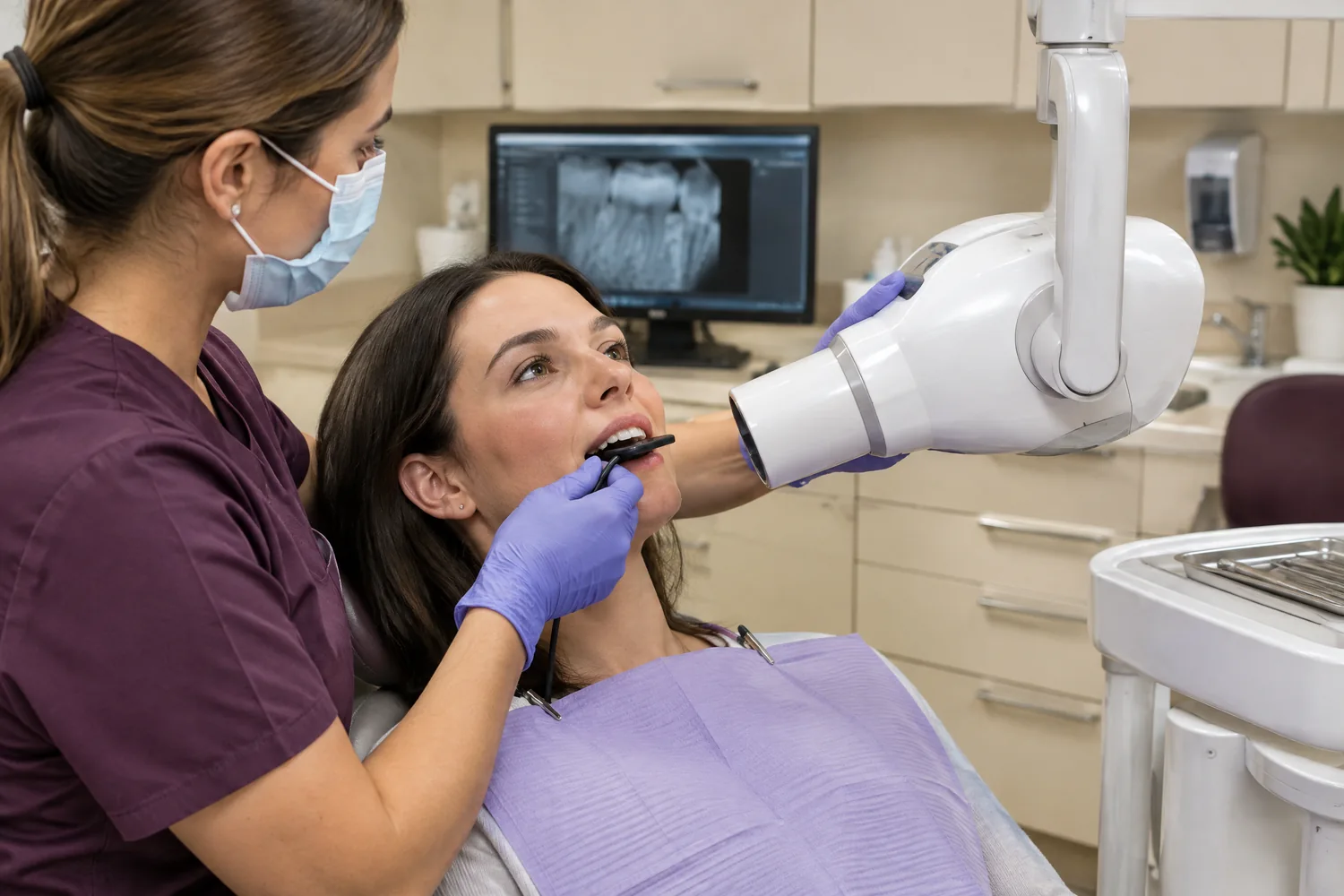
Dental X-Rays
Dental X-rays help reveal areas that cannot be evaluated by sight alone, including decay between teeth, root or bone concerns, impacted teeth, and the position of nearby structures.
Explore this careRestorative dentistry · Las Vegas
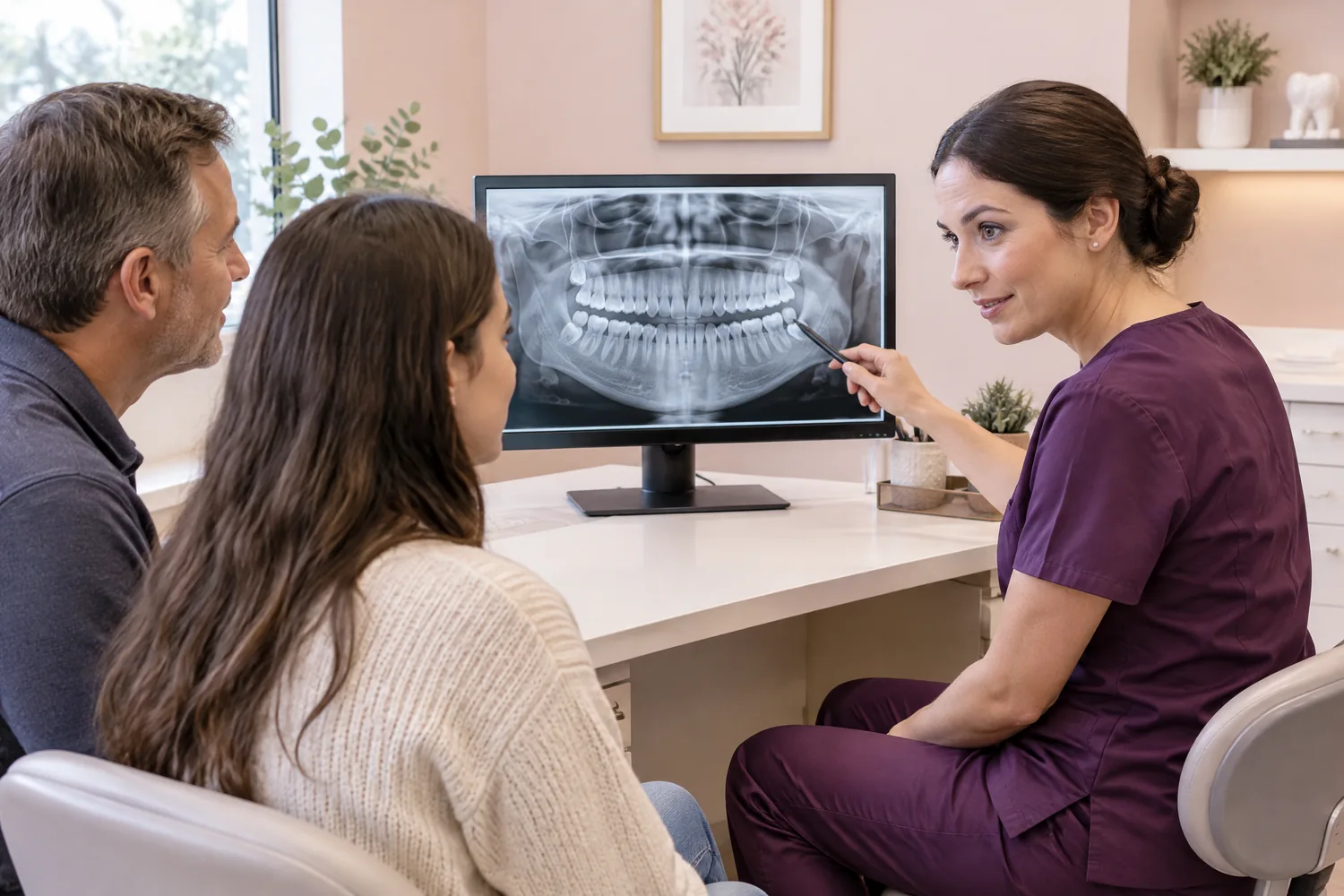
Wisdom teeth can erupt normally, come in at an angle, remain impacted, or become difficult to clean. An examination and imaging determine whether monitoring, simple extraction, or referral to an oral surgeon is appropriate.
A thoughtful starting point
This care may be relevant for older teens, young adults, parents, and adults with pain, infection, crowding, or impacted wisdom teeth. An exam and a conversation about your goals are the best way to understand what is appropriate for your situation.
Similar symptoms can have different causes. Dr. Stark can explain the findings, alternatives, and expected next steps before recommending treatment.
How long will it take?
The consultation and imaging are separate from treatment when needed. A simple extraction may be relatively brief; multiple or impacted teeth can take longer. Initial recovery is often measured in days, while complete healing takes longer.
Your individual timing depends on the examination and treatment plan.
What to expect
Your exact plan is tailored to you. These are the main steps to discuss during your consultation.
Evaluate symptoms and review medical history
Use appropriate imaging to assess position and surrounding structures
Explain whether the case can be treated in-office or needs an oral-surgery referral
Provide written aftercare and follow-up guidance
What matters most
We focus on what the treatment may do for you without making one-size-fits-all promises.
Address pain, infection, decay, or damage risk
Plan treatment before symptoms become urgent
Provide clear aftercare and referral when complexity requires it
Results and longevity vary with oral health, diagnosis, habits, materials, and follow-up. We’ll discuss limitations and alternatives for your case.

The person behind your care
Dr. Beatrice Stark earned her DDS from the University of Southern California School of Dentistry and has more than 30 years of experience. She combines practical options with a thoughtful conversation about your care.
Good questions are welcome
Clear information helps you decide what to ask at your visit.
Pain, infection, decay, damage to nearby teeth, or an unfavorable position may support removal, but the decision requires an exam and imaging.
They are commonly monitored during the teen years and early adulthood, but there is no single treatment age for everyone.
Time varies with the number, position, and complexity of the teeth. The office can give a more useful estimate after imaging.
Many people plan several days for initial recovery, but swelling, comfort, and healing differ by procedure and patient.
Whether a wisdom tooth can be treated in the office depends on its position and complexity. After an exam and appropriate imaging, Dr. Stark can discuss care or a referral.
It is a painful complication that can occur after extraction. Follow aftercare instructions and contact the office promptly if pain worsens several days after treatment.
Explore related care
These treatments may be considered alongside your current concern. The right option depends on an examination.
Dental X-rays help reveal areas that cannot be evaluated by sight alone, including decay between teeth, root or bone concerns, impacted teeth, and the position of nearby structures.
Explore this care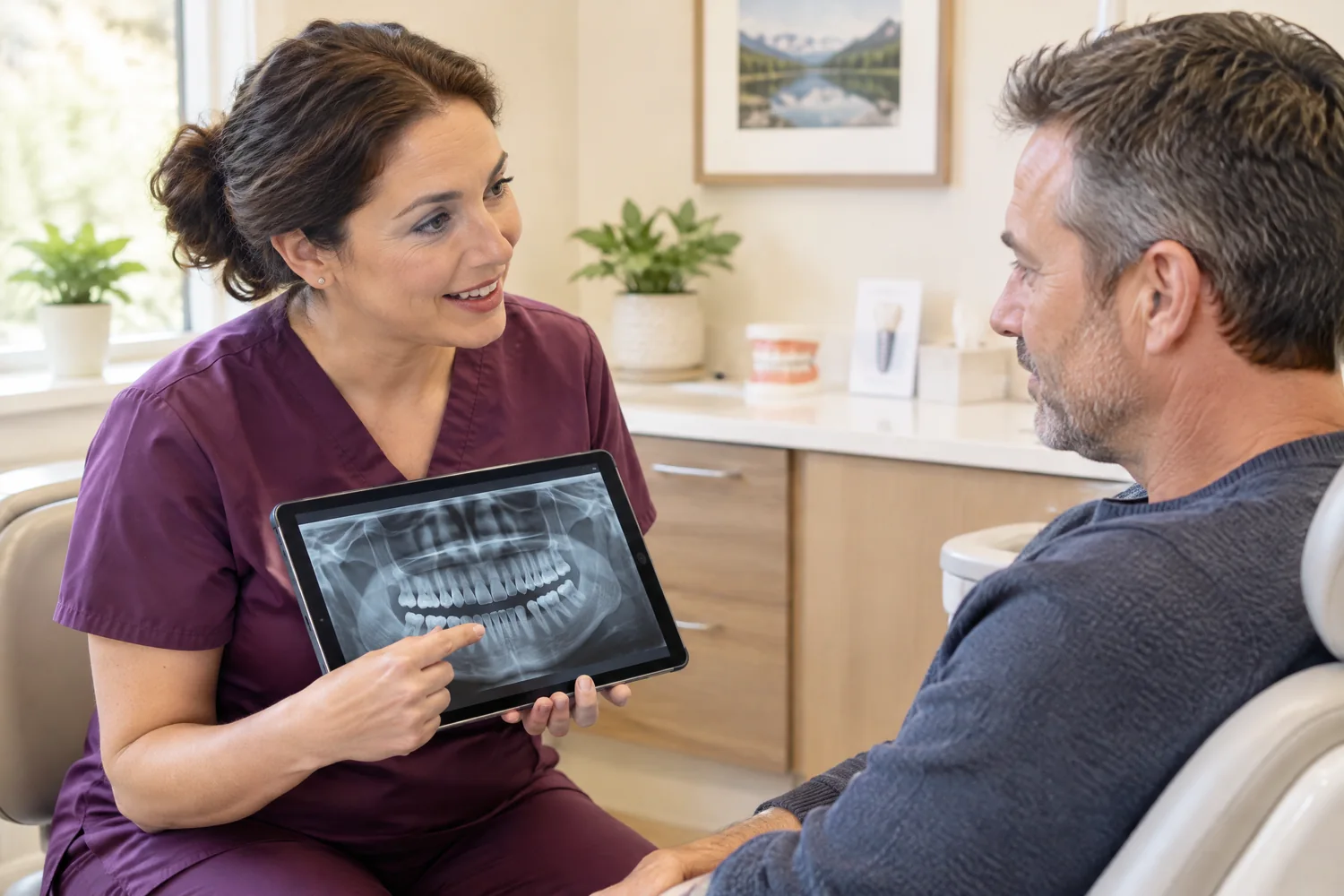
When a tooth cannot be saved, an extraction may be part of a thoughtful treatment plan.
Explore this careReady when you are