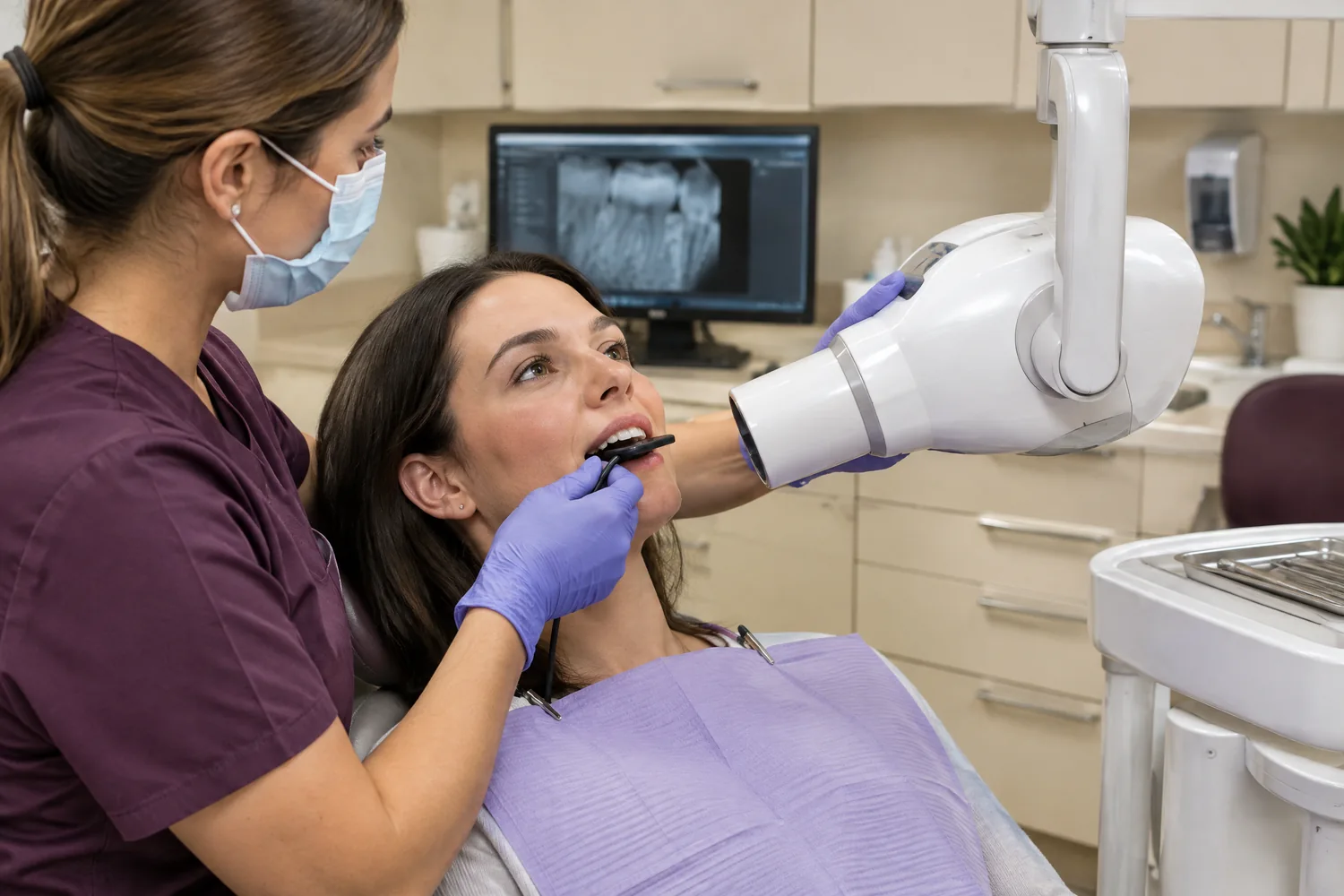
Dental X-Rays
Dental X-rays help reveal areas that cannot be evaluated by sight alone, including decay between teeth, root or bone concerns, impacted teeth, and the position of nearby structures.
Explore this carePreventive dentistry · Las Vegas
A comprehensive dental exam evaluates more than cavities. Dr. Stark reviews the teeth, gums, bite, jaw, existing restorations, health history, medications, and any symptoms that could affect oral health.

A thoughtful starting point
This care may be relevant for new patients, adults overdue for care, patients with changing health conditions, and people with tooth or gum concerns. An exam and a conversation about your goals are the best way to understand what is appropriate for your situation.
Similar symptoms can have different causes. Dr. Stark can explain the findings, alternatives, and expected next steps before recommending treatment.
How long will it take?
Most routine exams can be completed in about 30–60 minutes. A new-patient exam, extensive imaging, or a complex concern may require more time or a follow-up visit.
Your individual timing depends on the examination and treatment plan.
What to expect
Your exact plan is tailored to you. These are the main steps to discuss during your consultation.
Discuss symptoms, goals, health history, and medications
Examine teeth, gums, bite, jaw, and existing dental work
Take only the images or diagnostic records that are clinically appropriate
Explain findings and agree on practical next steps
What matters most
We focus on what the treatment may do for you without making one-size-fits-all promises.
Catch small concerns before they become more difficult to treat
Create a clear baseline for long-term dental health
Coordinate preventive, restorative, and cosmetic priorities
Results and longevity vary with oral health, diagnosis, habits, materials, and follow-up. We’ll discuss limitations and alternatives for your case.

The person behind your care
Dr. Beatrice Stark earned her DDS from the University of Southern California School of Dentistry and has more than 30 years of experience. She combines practical options with a thoughtful conversation about your care.
Good questions are welcome
Clear information helps you decide what to ask at your visit.
The right interval depends on your oral health and risk factors. Dr. Stark will recommend a schedule after reviewing your history and current condition.
Not necessarily. Dental images should be based on clinical need, age, history, symptoms, and the date and quality of prior images.
Bring identification, insurance information if applicable, a medication list, relevant dental records, and questions or concerns you want addressed.
Yes. Tell the office about pain, swelling, sensitivity, or damage when booking so the team can plan the right type of visit.
The scope of an exam can vary. Ask the office whether a screening is included in your scheduled visit.
After an examination and any needed imaging, the office can explain treatment options and provide a personalized estimate.
Explore related care
These treatments may be considered alongside your current concern. The right option depends on an examination.
Dental X-rays help reveal areas that cannot be evaluated by sight alone, including decay between teeth, root or bone concerns, impacted teeth, and the position of nearby structures.
Explore this care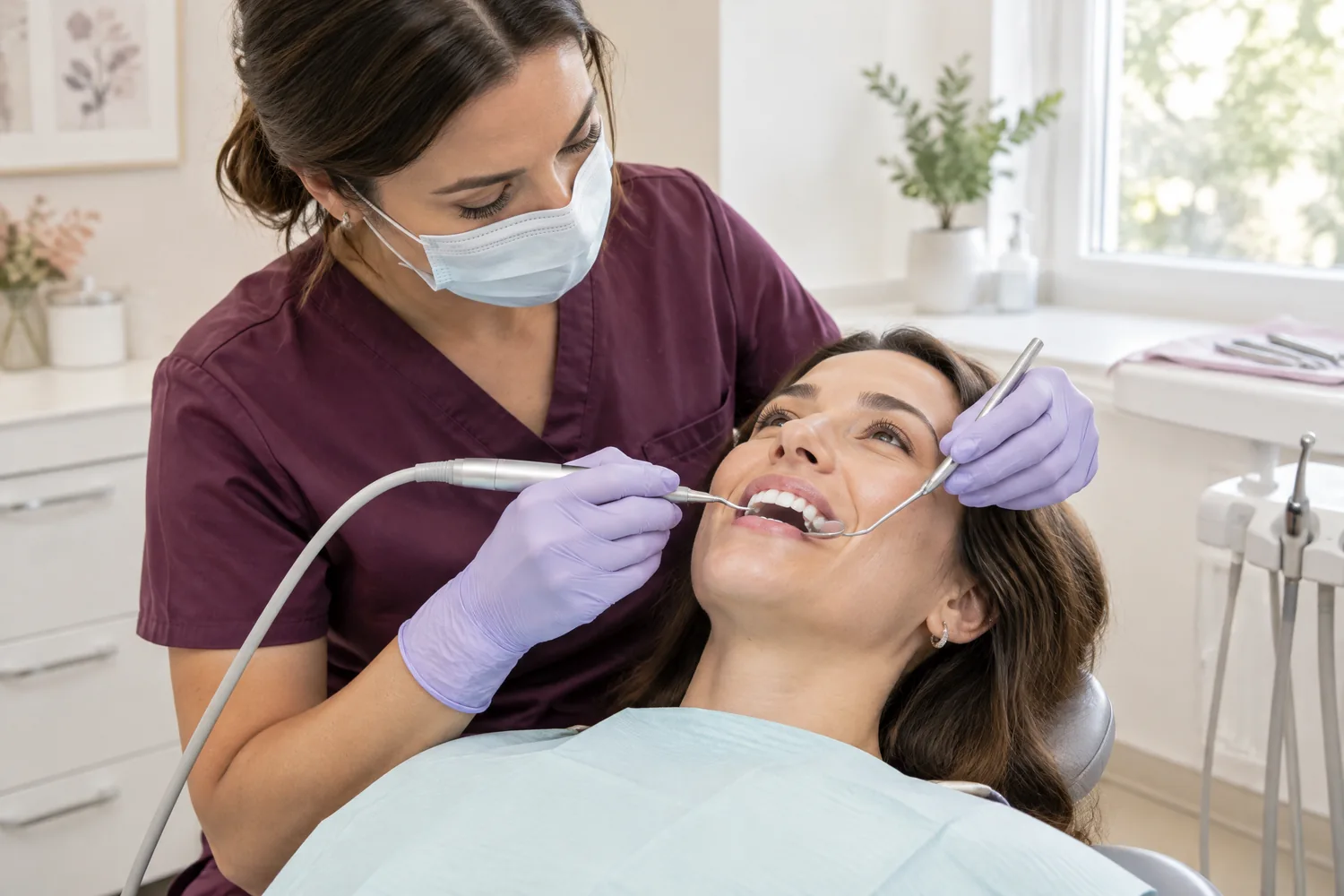
Professional cleaning removes plaque and hardened tartar that brushing and flossing cannot fully remove.
Explore this care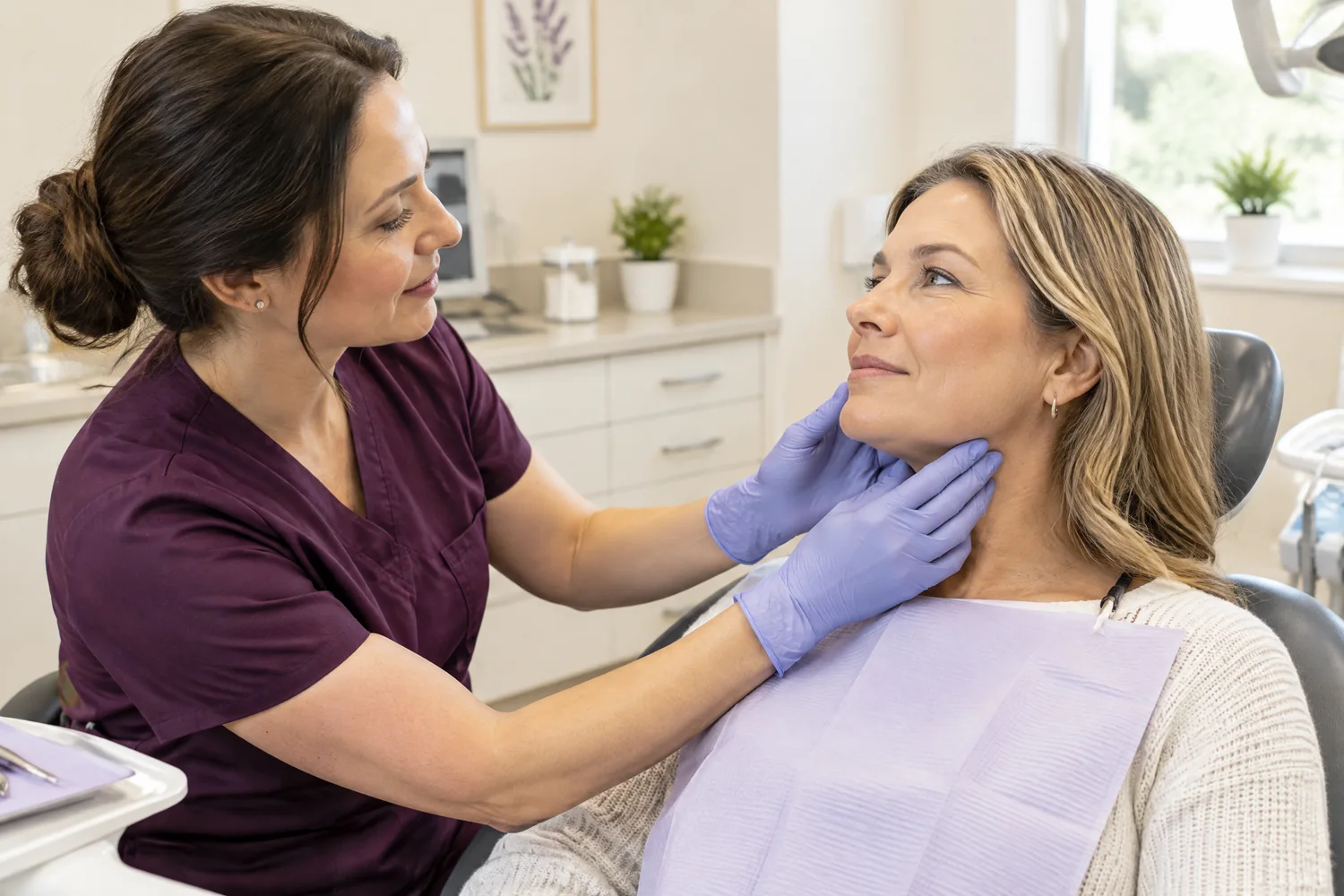
An oral cancer screening is a visual and hands-on examination of the face, neck, lips, mouth, tongue, and throat for changes that may require further evaluation.
Explore this careReady when you are