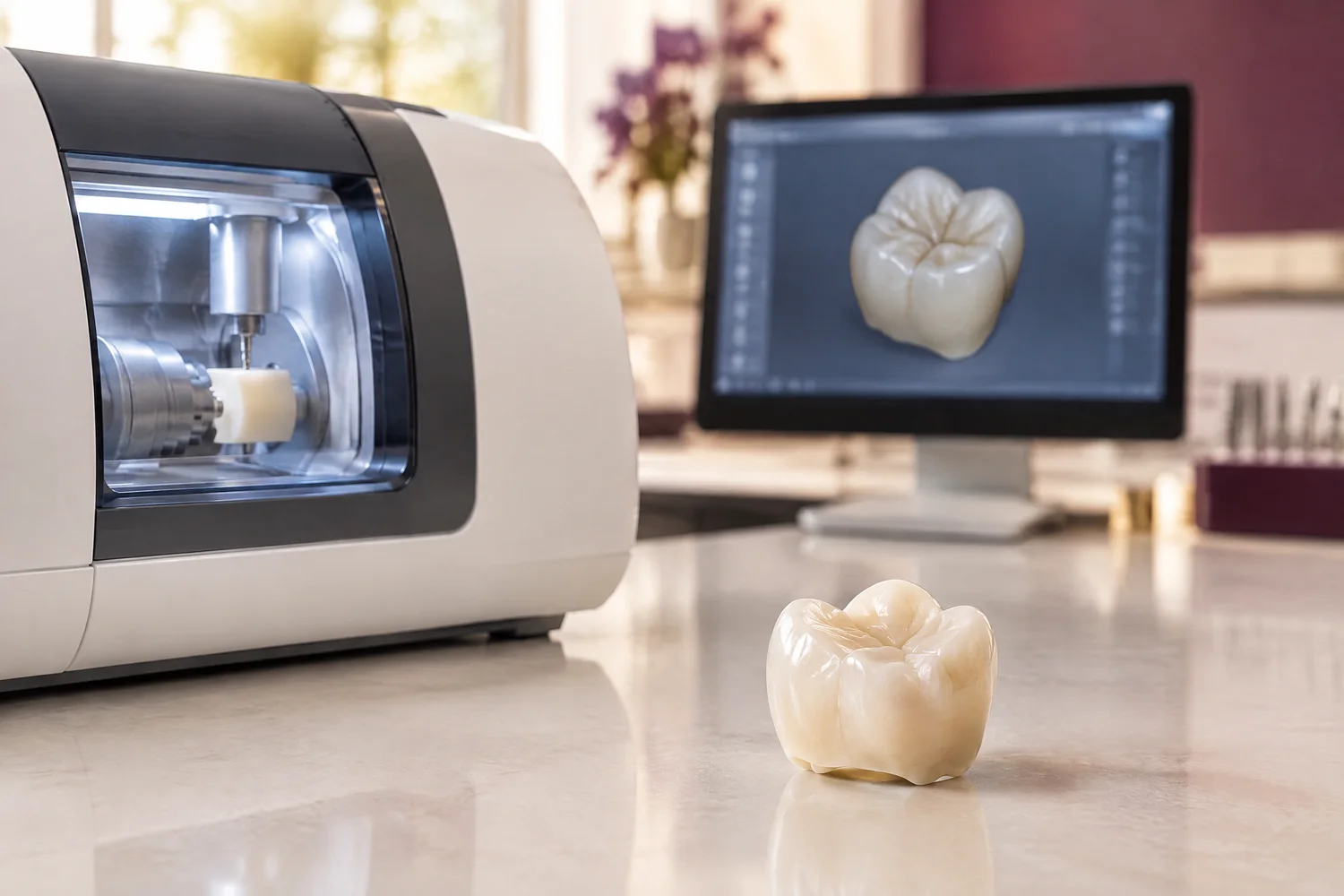
CEREC Same-Day Crowns
CEREC uses digital scanning and CAD/CAM technology to design and mill a ceramic restoration in the office.
Explore this careRestorative dentistry · Las Vegas
Root canal treatment removes infected or inflamed tissue from inside a tooth, disinfects the space, and seals it so the natural tooth can remain. A final restoration is commonly needed to protect the tooth.
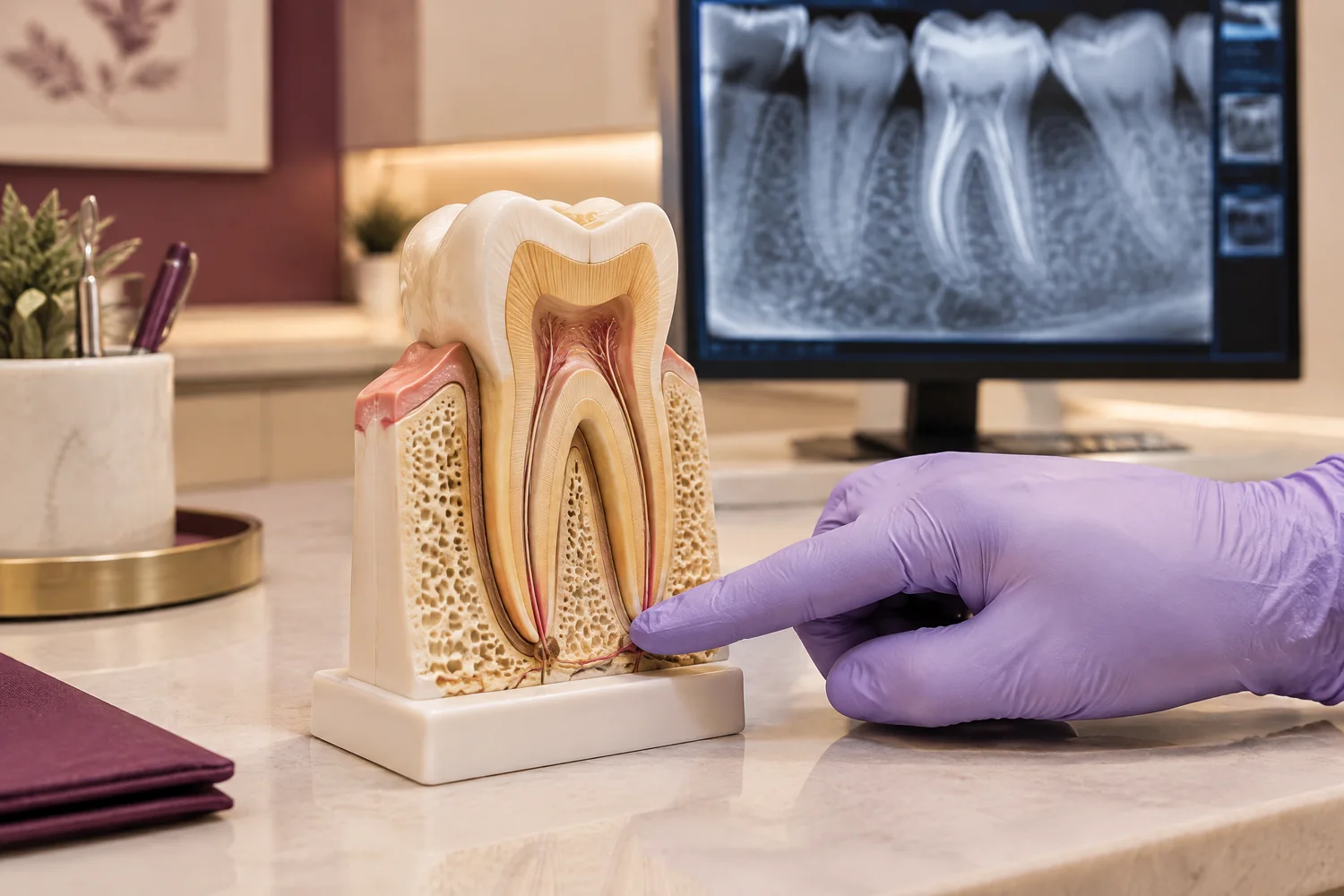
A thoughtful starting point
This care may be relevant for adults with severe tooth pain, lingering sensitivity, deep decay, cracks, trauma, or a suspected abscess. An exam and a conversation about your goals are the best way to understand what is appropriate for your situation.
Similar symptoms can have different causes. Dr. Stark can explain the findings, alternatives, and expected next steps before recommending treatment.
How long will it take?
Many root canals take about 60–90 minutes and may be completed in one or two visits. Tooth anatomy, infection, retreatment, and restorative needs affect timing and may require an endodontist.
Your individual timing depends on the examination and treatment plan.
What to expect
Your exact plan is tailored to you. These are the main steps to discuss during your consultation.
Examine symptoms and use appropriate imaging and testing
Numb and isolate the tooth
Clean, shape, disinfect, and seal the internal canals
Restore or refer for the protective final restoration
What matters most
We focus on what the treatment may do for you without making one-size-fits-all promises.
Relieve infection-related pain
Preserve the natural tooth when prognosis is favorable
Restore function with an appropriate final restoration
Results and longevity vary with oral health, diagnosis, habits, materials, and follow-up. We’ll discuss limitations and alternatives for your case.

The person behind your care
Dr. Beatrice Stark earned her DDS from the University of Southern California School of Dentistry and has more than 30 years of experience. She combines practical options with a thoughtful conversation about your care.
Good questions are welcome
Clear information helps you decide what to ask at your visit.
Possible signs include severe pain, lingering temperature sensitivity, swelling, a pimple on the gum, or deep decay, but testing is required.
Modern treatment uses local anesthesia. The goal is to relieve pain caused by inflamed or infected tissue.
Many cases take 60–90 minutes and one or two visits; complex cases can take longer.
Many back teeth and structurally weakened teeth need a crown or other protective restoration after root-canal treatment.
Saving a restorable natural tooth is often desirable, but prognosis, tooth structure, infection, cost, and replacement plans all matter.
Complex anatomy, retreatment, difficult diagnosis, or other clinical factors may require an endodontist.
Explore related care
These treatments may be considered alongside your current concern. The right option depends on an examination.
CEREC uses digital scanning and CAD/CAM technology to design and mill a ceramic restoration in the office.
Explore this care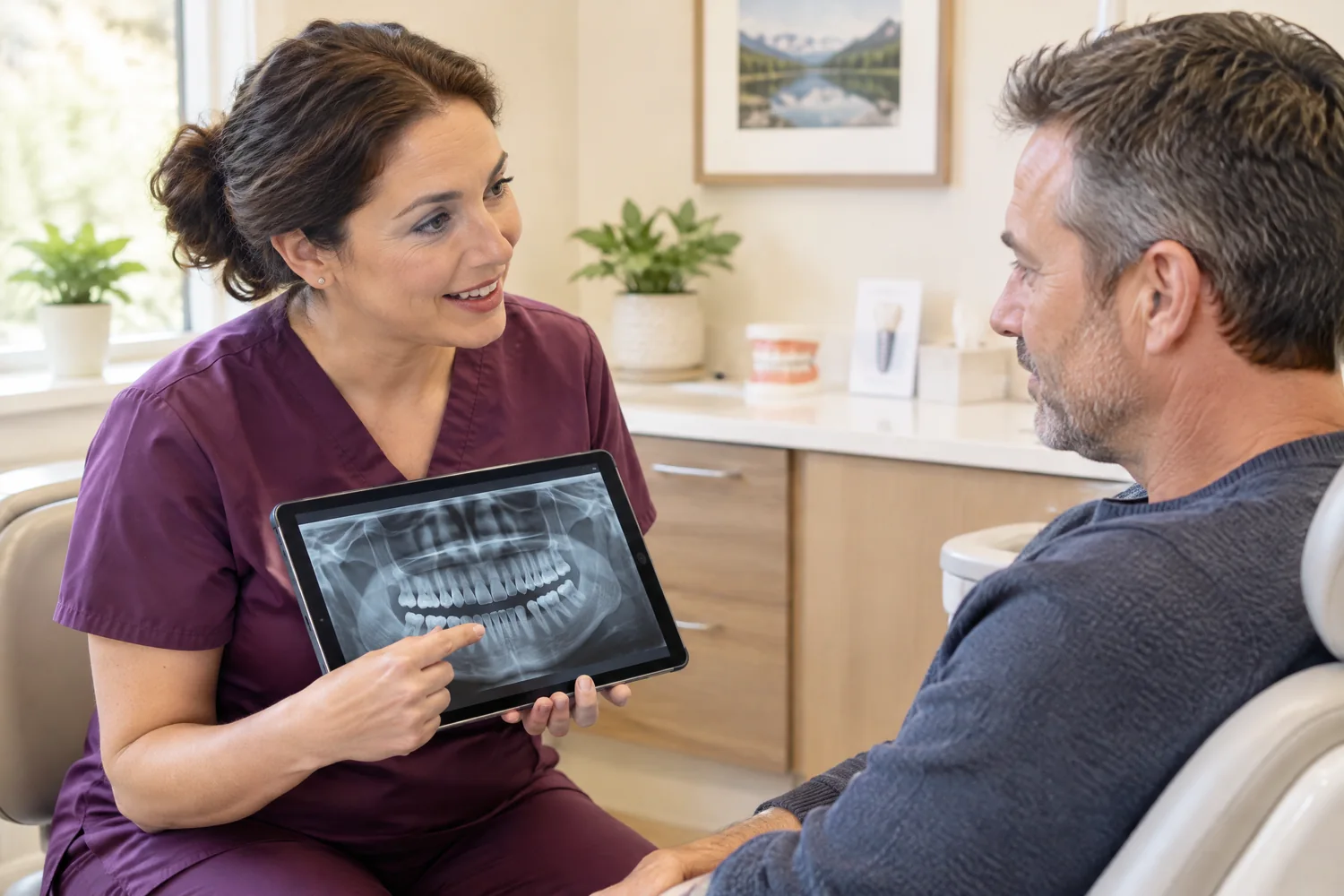
When a tooth cannot be saved, an extraction may be part of a thoughtful treatment plan.
Explore this care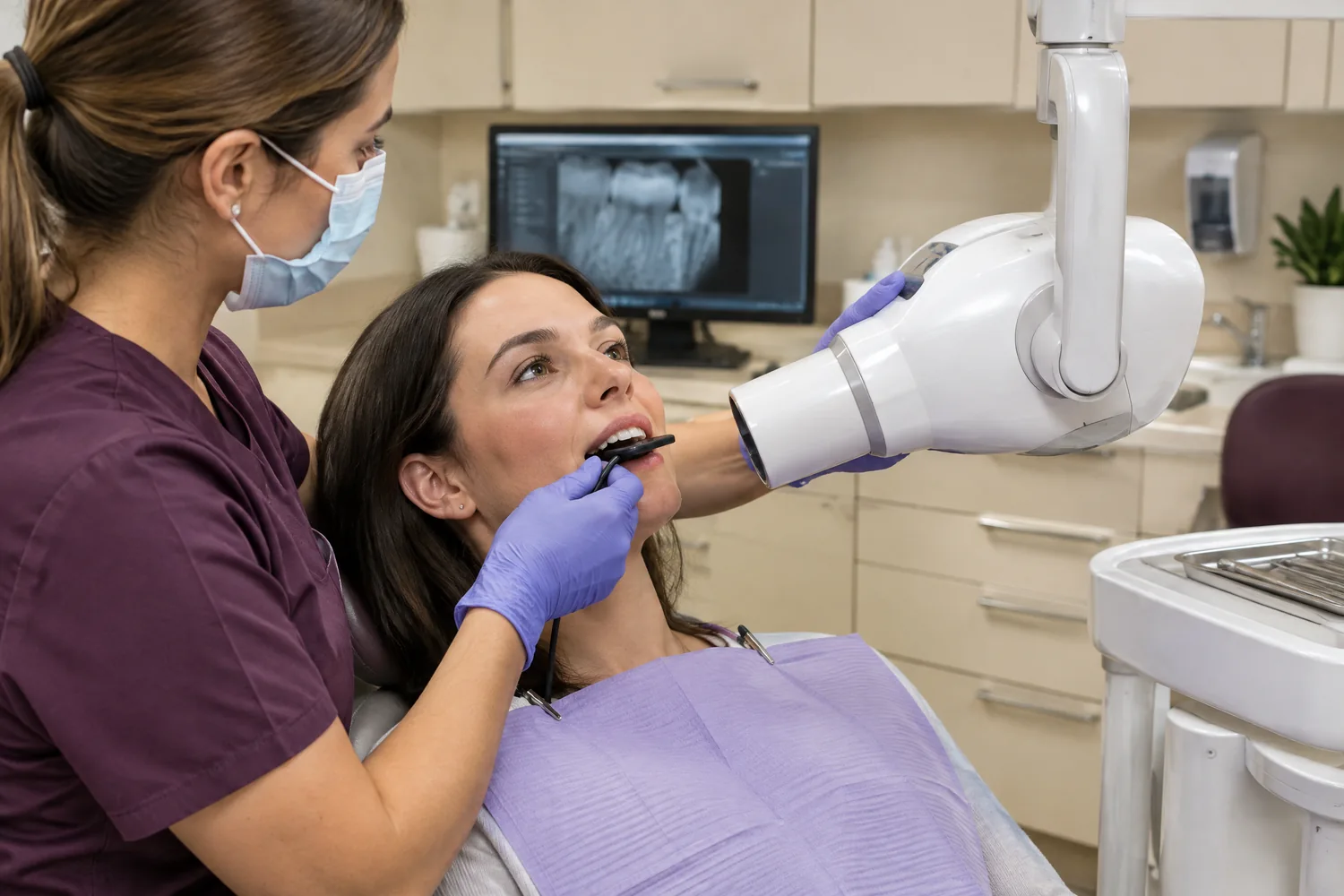
Dental X-rays help reveal areas that cannot be evaluated by sight alone, including decay between teeth, root or bone concerns, impacted teeth, and the position of nearby structures.
Explore this careReady when you are